FIELD NOTES / AN INTRODUCTION
Captain Harken
There is usually something worth looking at beyond the end of the road.
An object on a beach. A structure disappearing into the vegetation. A photograph with a few words on the back and nobody left to explain them.
Often, the first question is simple: what am I looking at?
The answer takes longer.
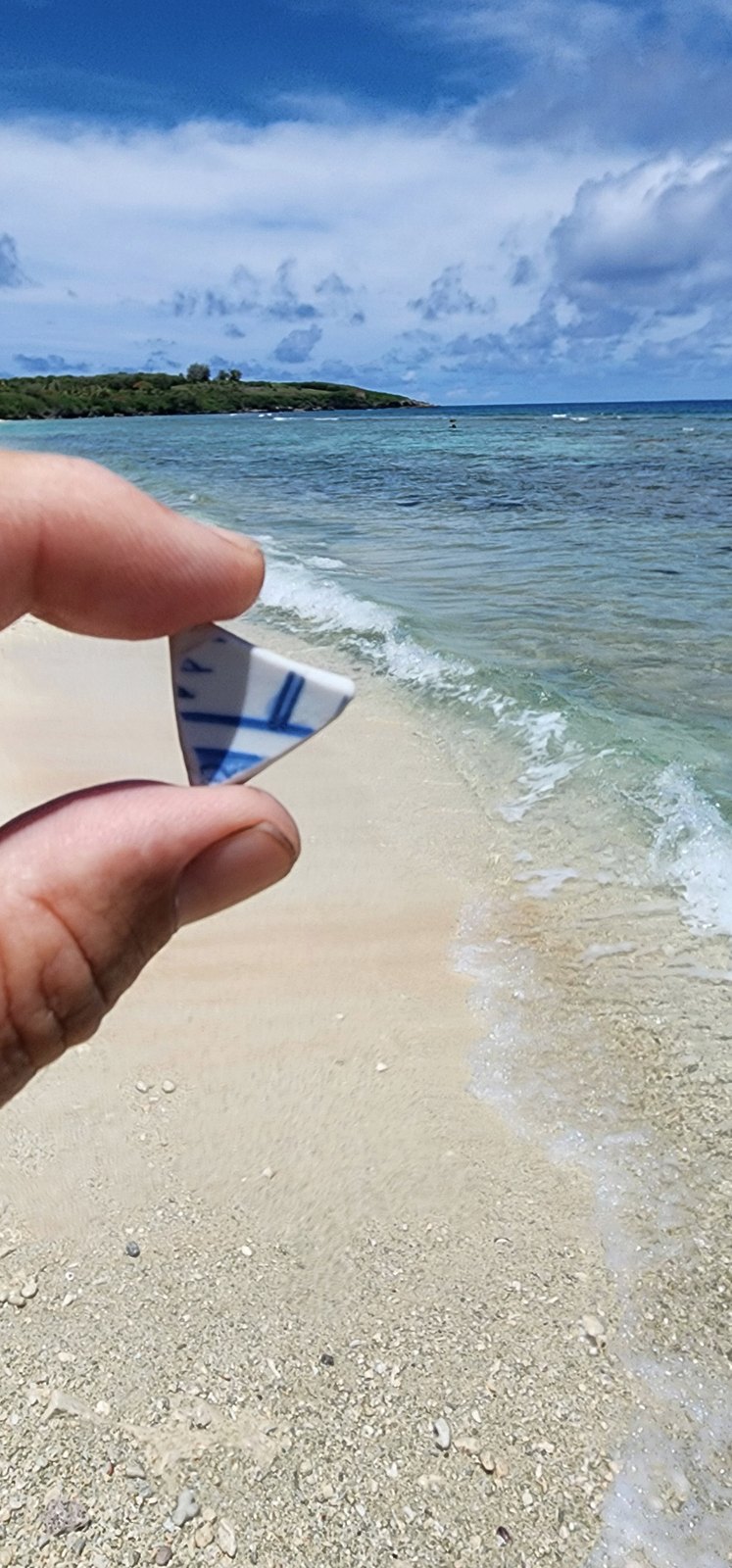
The Mariana Islands are my starting point. Here, the distance between an ordinary afternoon and an unexpected encounter can be a few steps. A familiar stretch of shoreline changes after rough weather. Something catches the light. You stop, look again, and find yourself paying attention to a place you thought you knew.
I write as Captain Harken. These Field Notes are a place for those encounters and the work that sometimes follows them.
Much of that work begins without a clear destination. A walk produces a photograph. The photograph raises a question. Later, an old map, another image, or a conversation offers something to compare it with. Occasionally, the pieces fit. Sometimes a promising explanation falls apart under closer examination.
Both outcomes belong here.
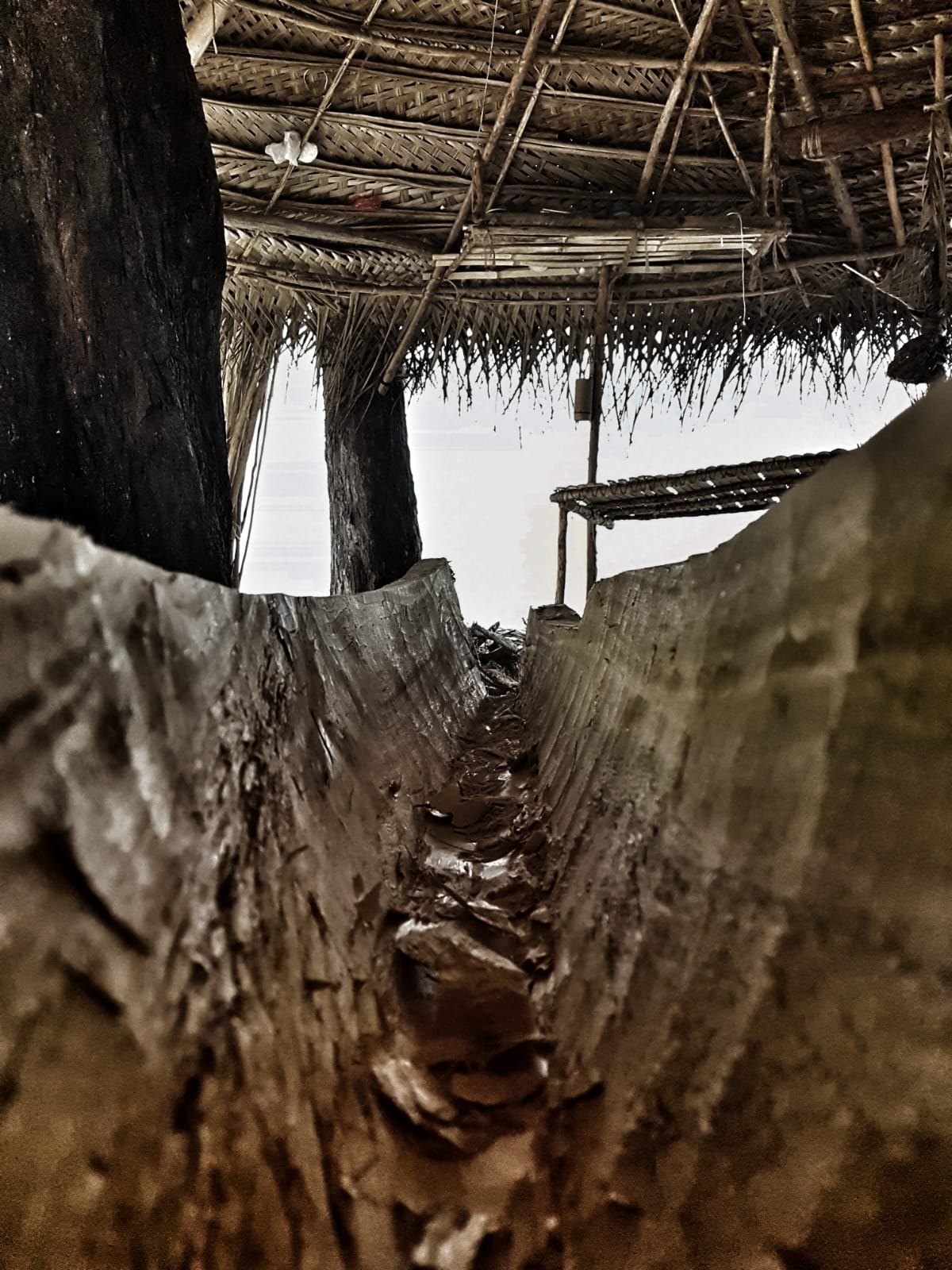
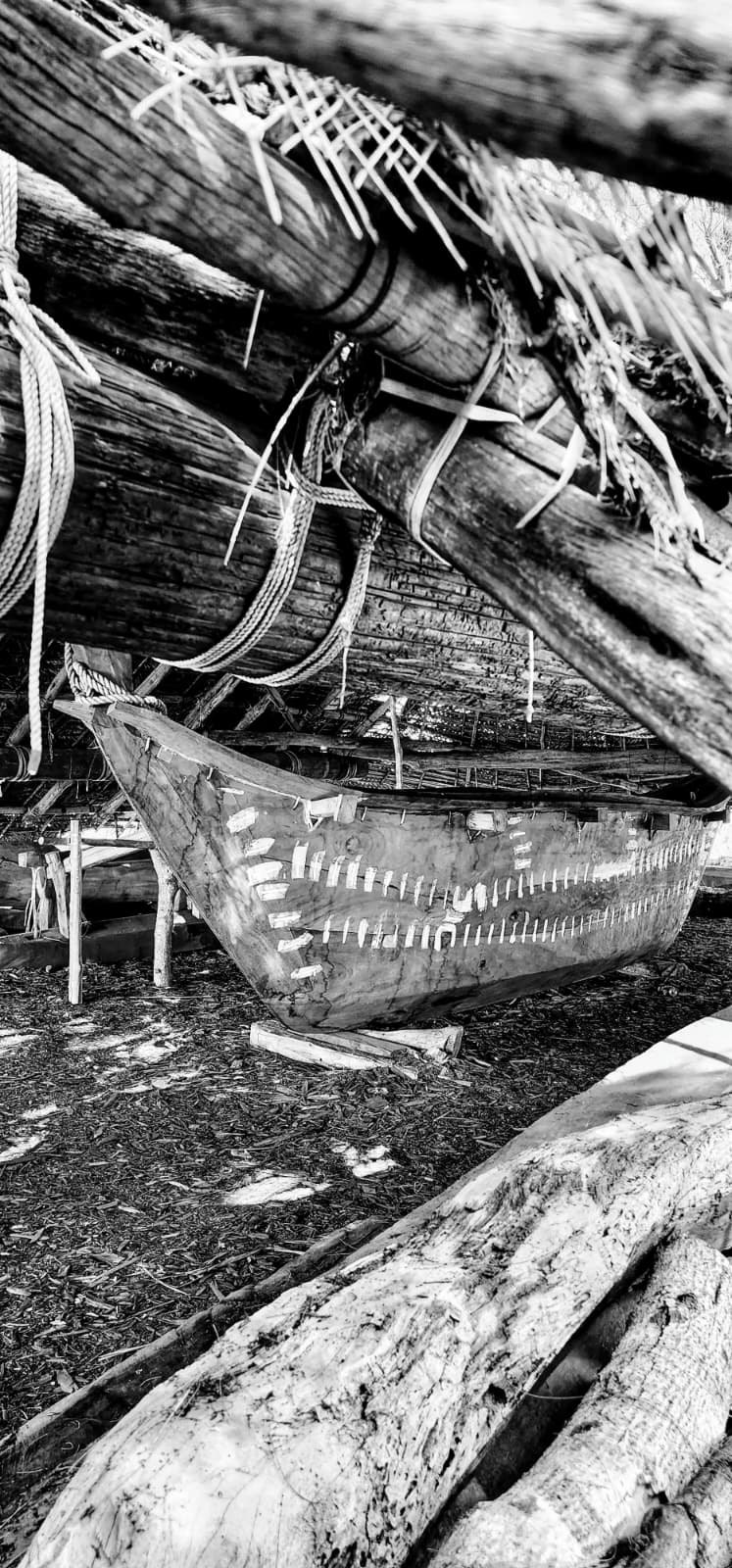
An object found near a wreck is not necessarily part of it. A resemblance is a reason to investigate, not a reason to settle the matter. There is satisfaction in finding an answer, but there is also value in recognizing when the available evidence will take you no further.
A thing can be worth documenting before we know exactly what it is.
Photography helps hold that first encounter still. It gives us something to return to: the surface, the setting, the relationship between one detail and another. It also has limits. What lies outside the frame may matter as much as what appears inside it. A caption should leave room for that.
The same care applies to older photographs. An aircraft on an apron, a building at the edge of a road, people gathered for a picture - each records a particular moment, while leaving much unexplained. Looking closely can reveal details that were incidental to the person holding the camera. Understanding them may require help from someone else.
That is part of the appeal. This work leaves room for other eyes, other memories, and corrections.
Field Notes will follow that process at a human pace. There will be photographs, places, objects, and accounts of time spent looking. Some stories will concern the past. Others will begin with what is happening in front of us. Where a documented record exists, the story can lead to it; where a question remains open, it will remain a question.
Subnautiq provides a home for this work. Captain Harken is the voice you will meet in these pages.
There is no finished itinerary to offer. Only a starting point in the Marianas, a habit of looking closely, and a willingness to follow a worthwhile question.
That is where we begin.
A photograph to return to.
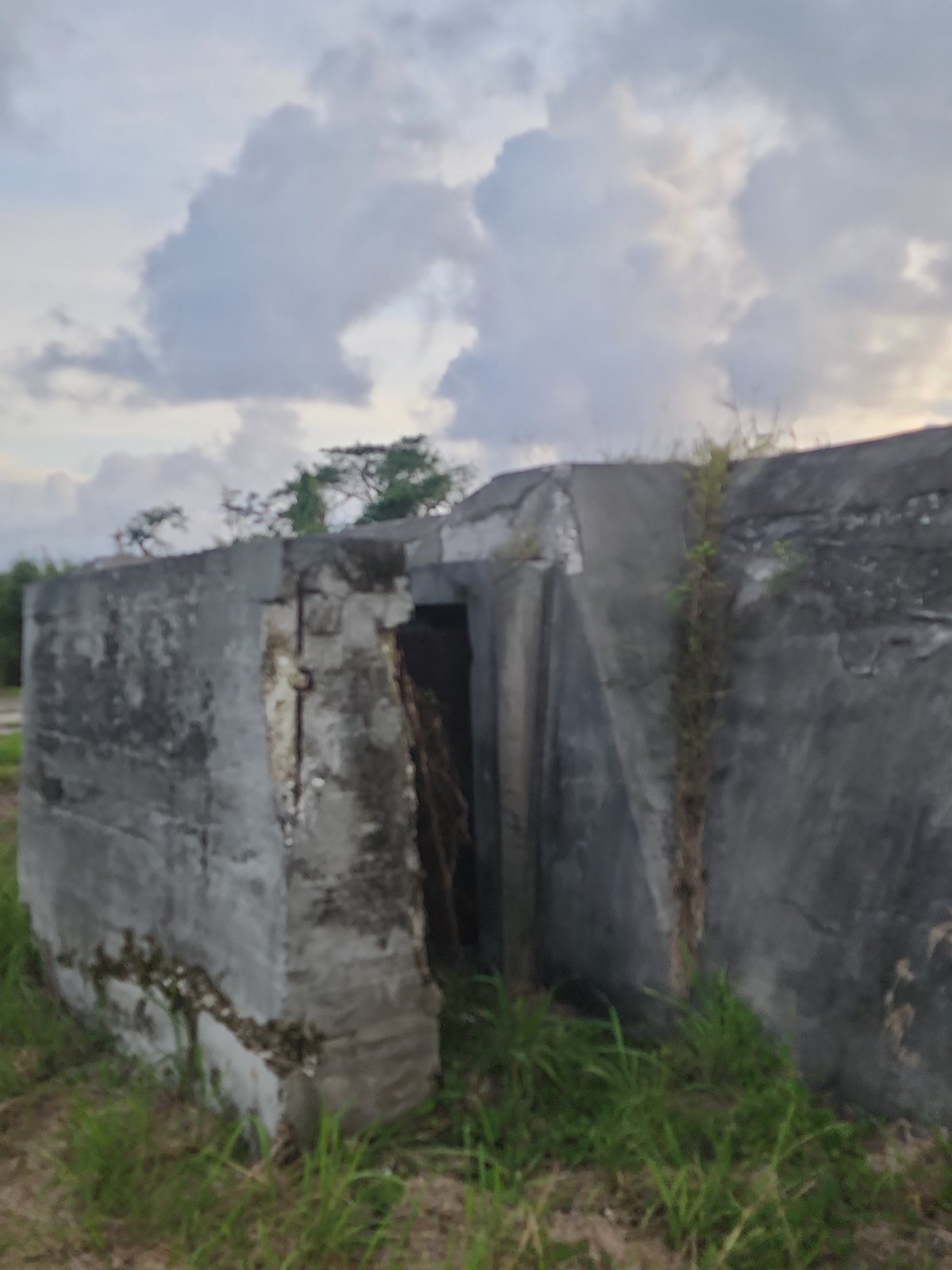
The walk ends. The questions tend to come home with us.
A doorway, a broken edge, a line in the concrete: details that felt obvious on site can become difficult to remember. A photograph gives the next question somewhere to begin.
The image here came with a ProofMode package. Alongside the photograph are files that allow its integrity to be checked. They are the quieter part of the work, kept behind the image rather than asked to tell its story.
Knowing which file we are looking at is a useful beginning. Understanding the structure takes something more: another view, a source, a conversation, perhaps a return visit.
The record holds the material. The Field Note follows the question. There is room for both, and room to leave an answer open.
Another way of looking.
A photograph holds a moment. A drawing gives us time to dwell on a detail: the curve of a roof, an opening in a wall, the relationship between one part and another.
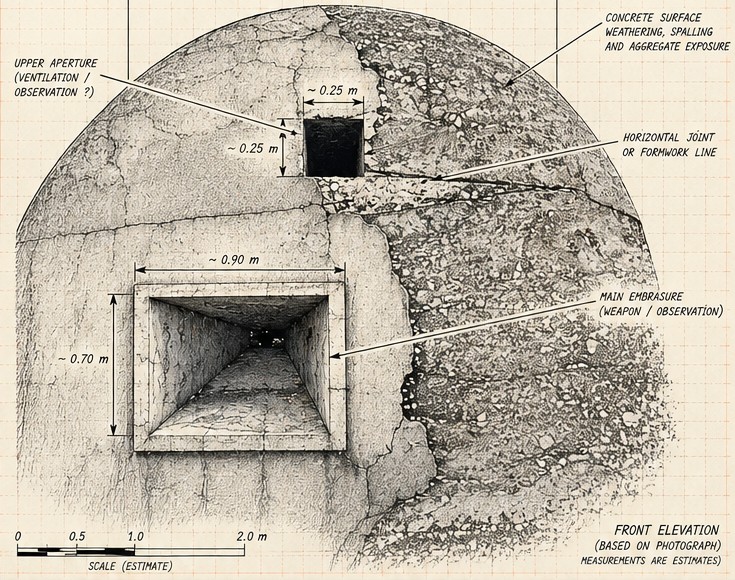
Working through a drawing can suggest what to look at next. It may reveal a gap in the photographs or a question worth taking back to the site.
That is part of its value: another way to spend time with a subject, and another way to make the questions visible.
Photographs and drawings offer different ways into a story. Keeping their roles clear leaves the reader free to look closely at both.
Something worth returning to.
A fragment on the shore may never yield a name. A structure may resist the explanation that first seemed obvious. An old photograph may stay silent until someone recognizes a detail the rest of us have passed over.
That does not make the looking wasted.
A note preserves the question. A photograph makes it possible to share what prompted it. A drawing may give someone else a way to see it differently. Together, they make a beginning that another person can pick up.
The work behind these pages will sometimes be slow. Photographs need sorting. Sources need reading. An attractive explanation needs testing against something less accommodating than imagination. Where the material supports a conclusion, the story can follow it. Where it does not, the uncertainty belongs on the page.
The original material has a place of its own. Field Notes gives it a wider conversation: what caught our attention, what we thought we saw, what changed when we looked again.
An occasional correction is part of that conversation. So is a useful memory, another photograph, or a question we had not thought to ask.
The Marianas remain the starting point. There are shorelines to walk, photographs to revisit, and details that will only become apparent the second time around.
There is usually something worth looking at beyond the end of the road.